
Why I made Monnie
I’ve opened about ten businesses. In all those years, I never really knew who my customers were.

A restaurant owner first
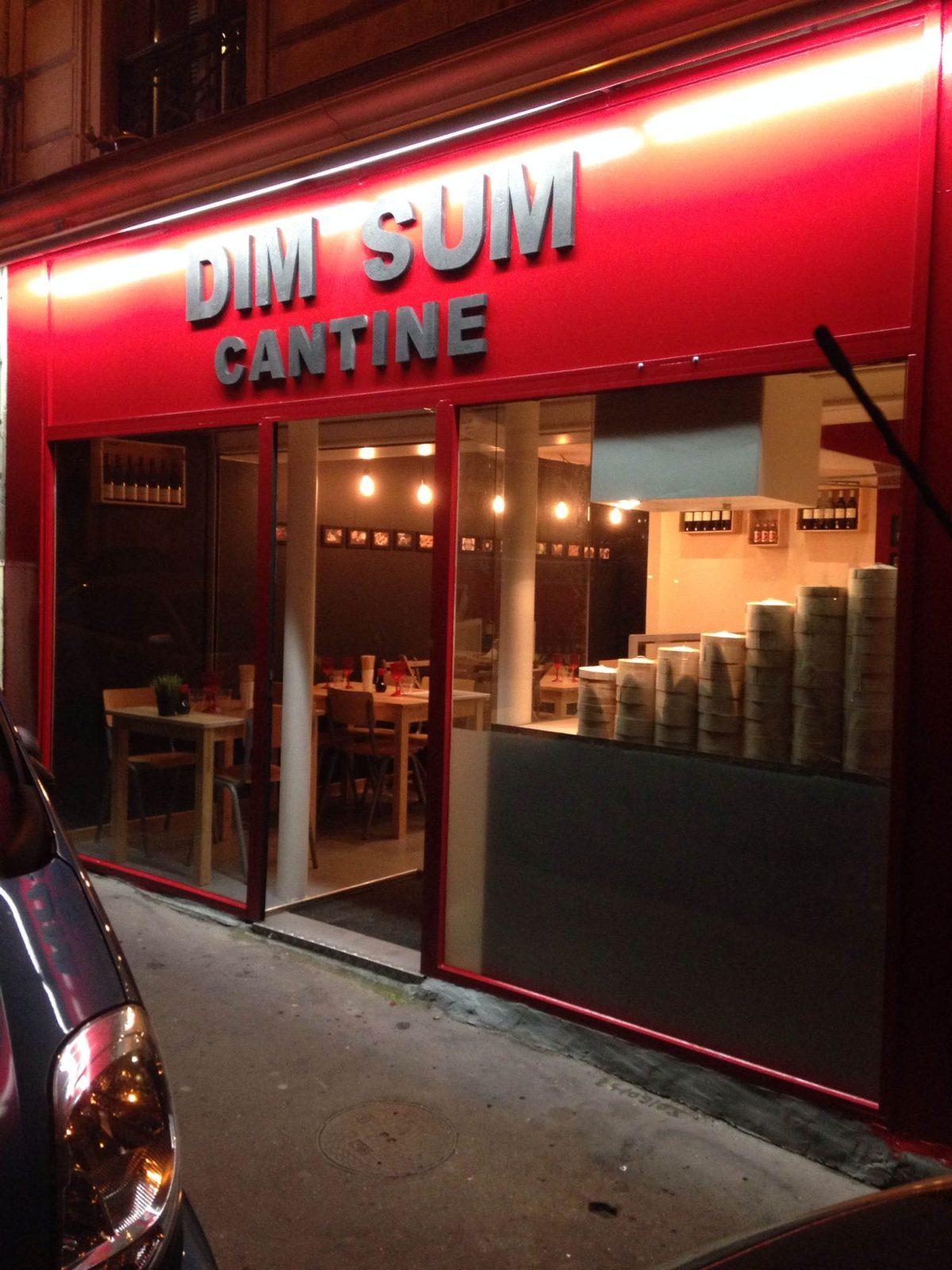
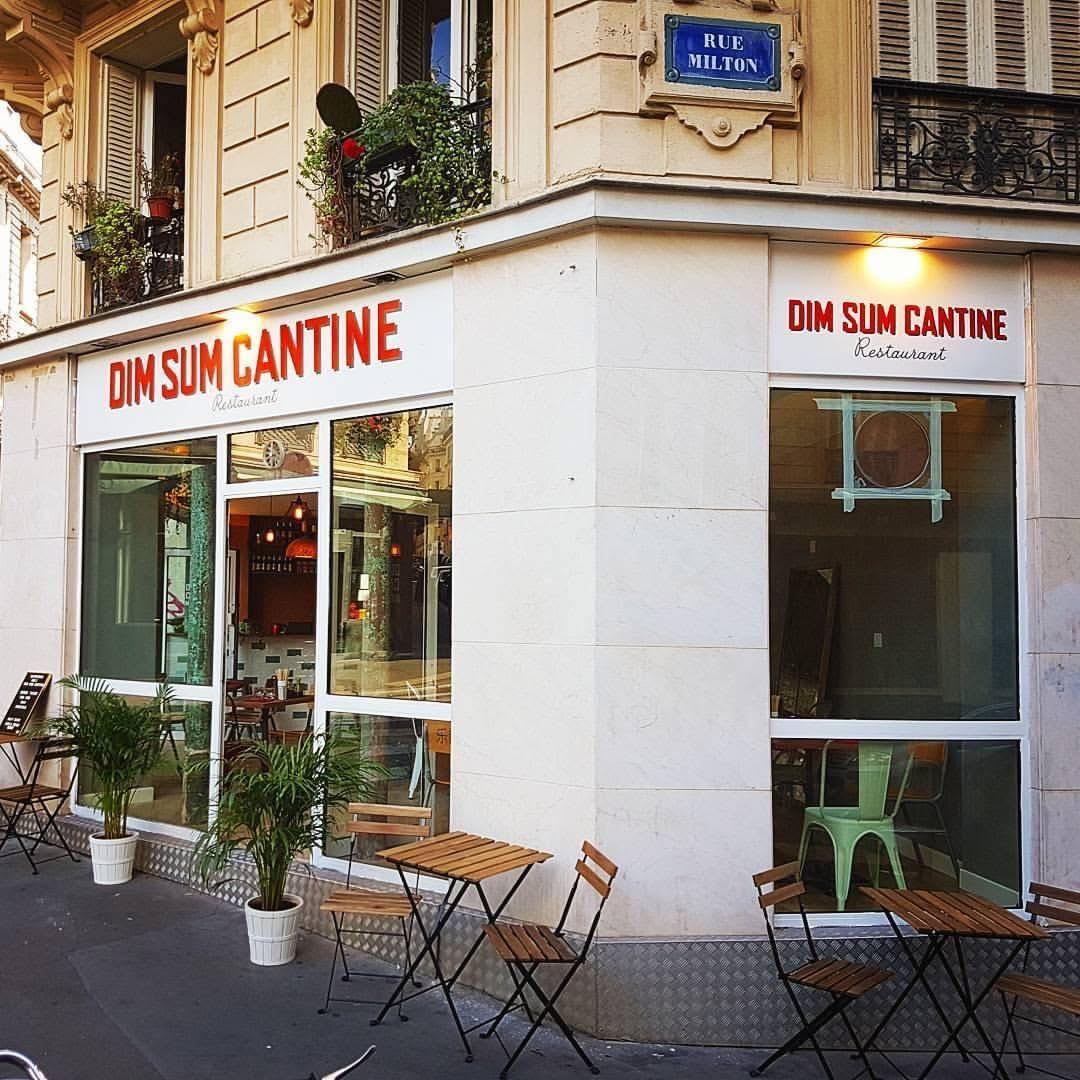
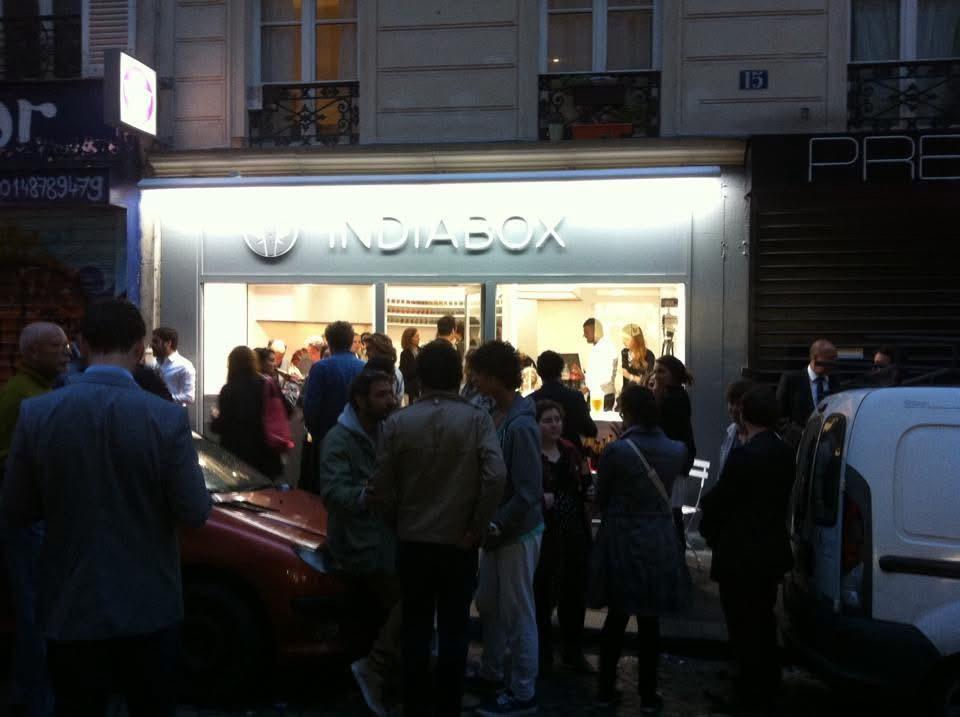
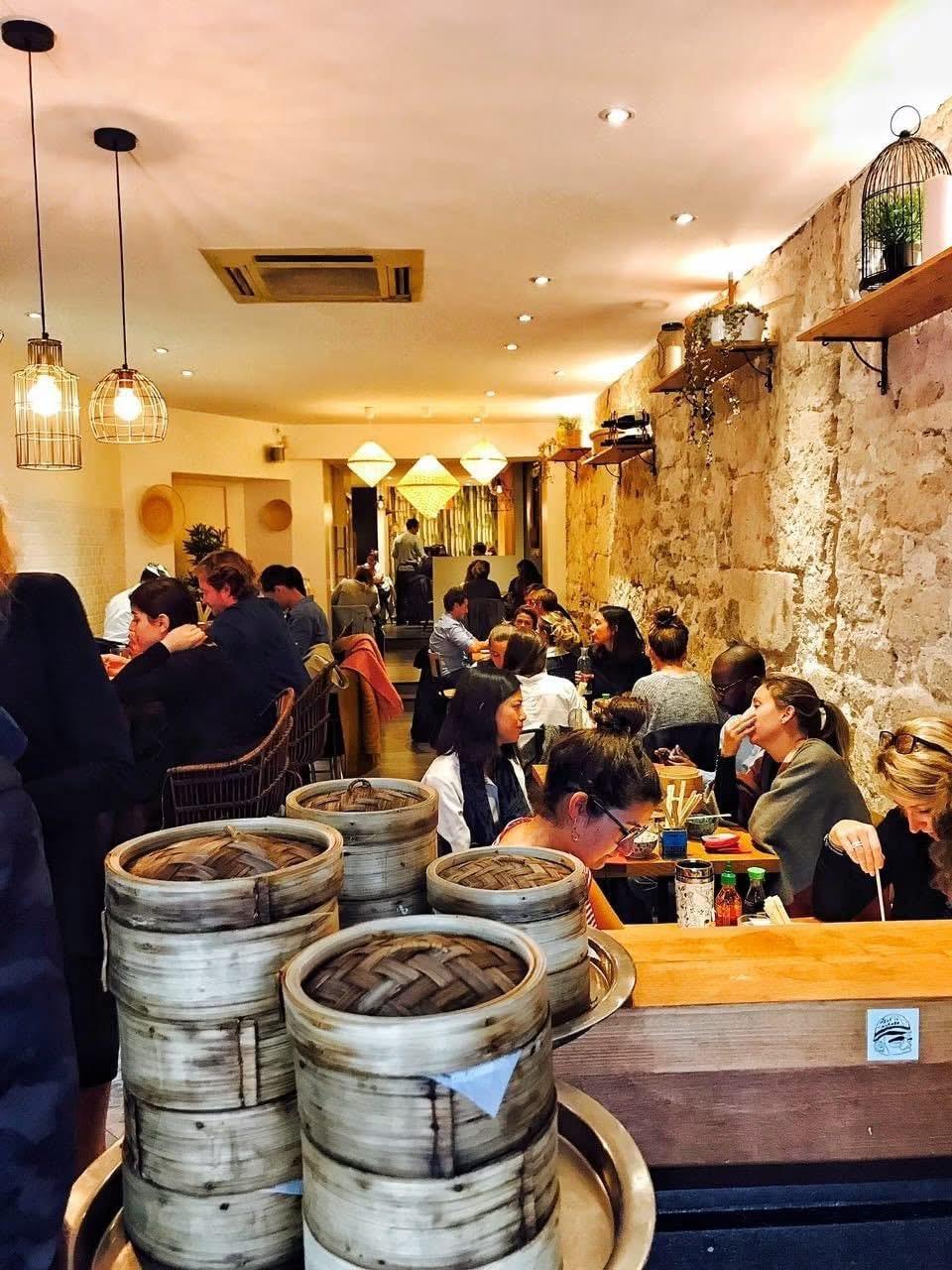
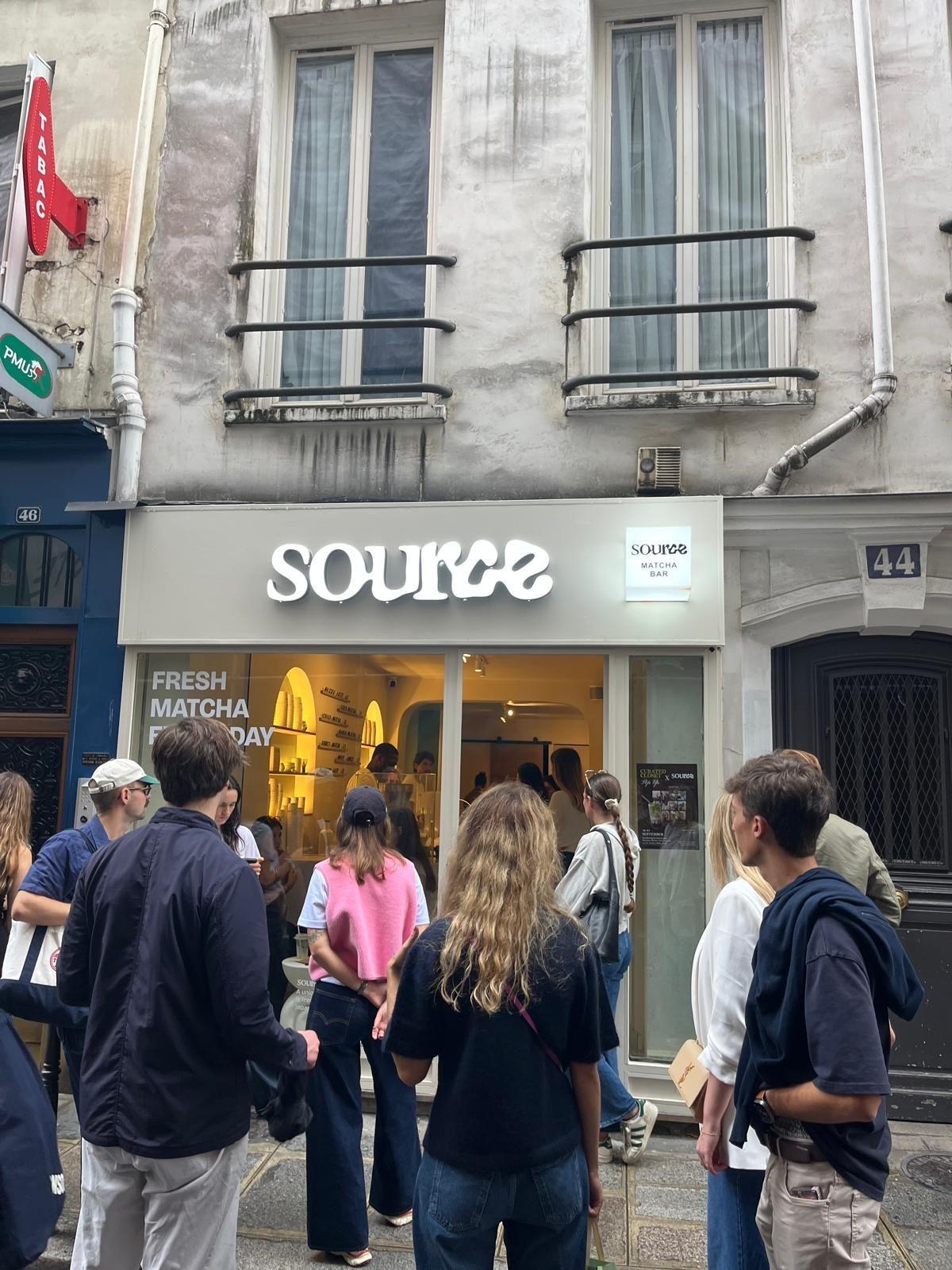
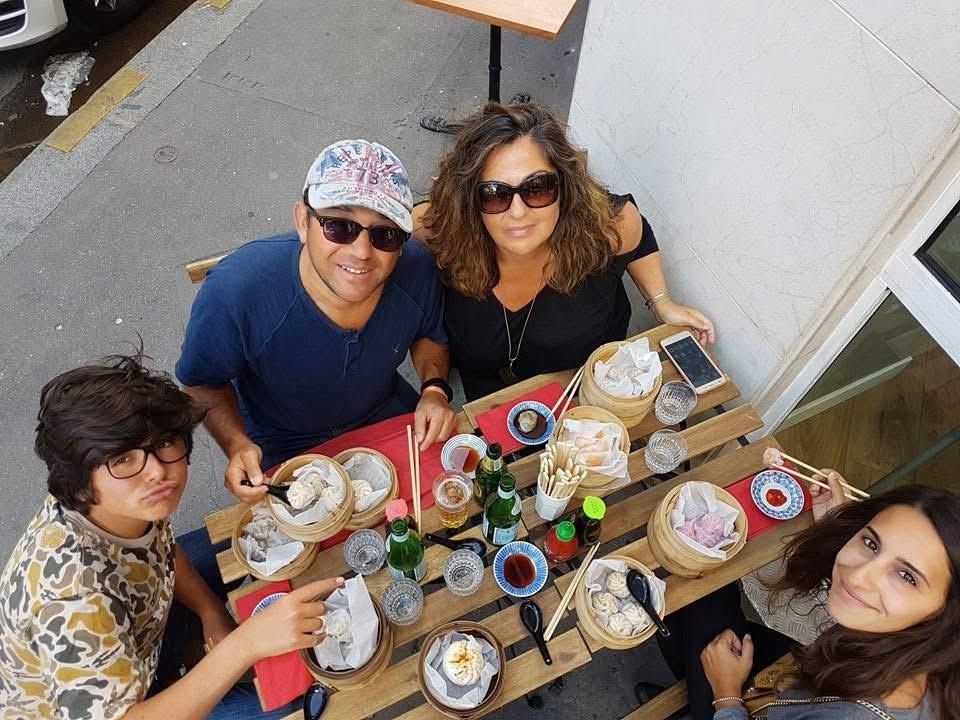
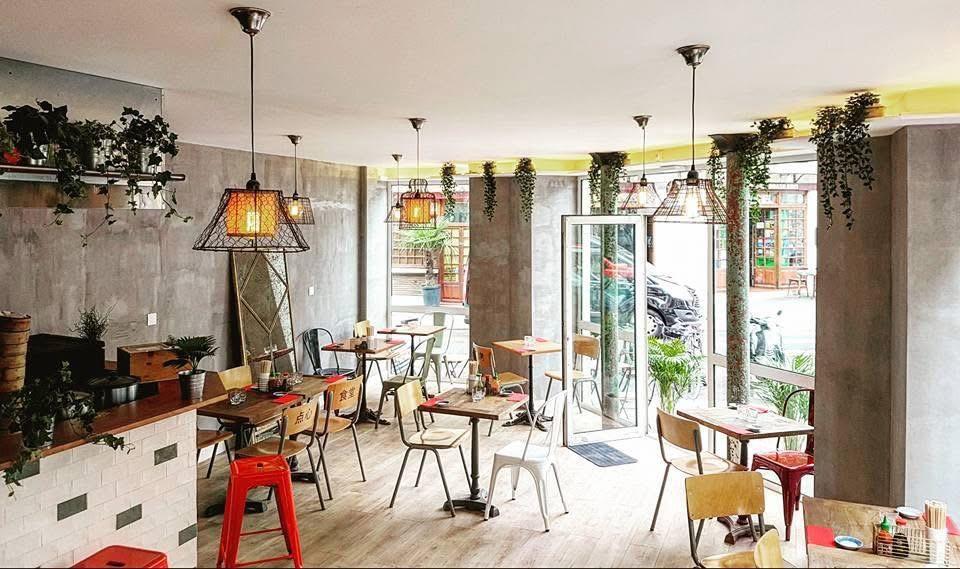
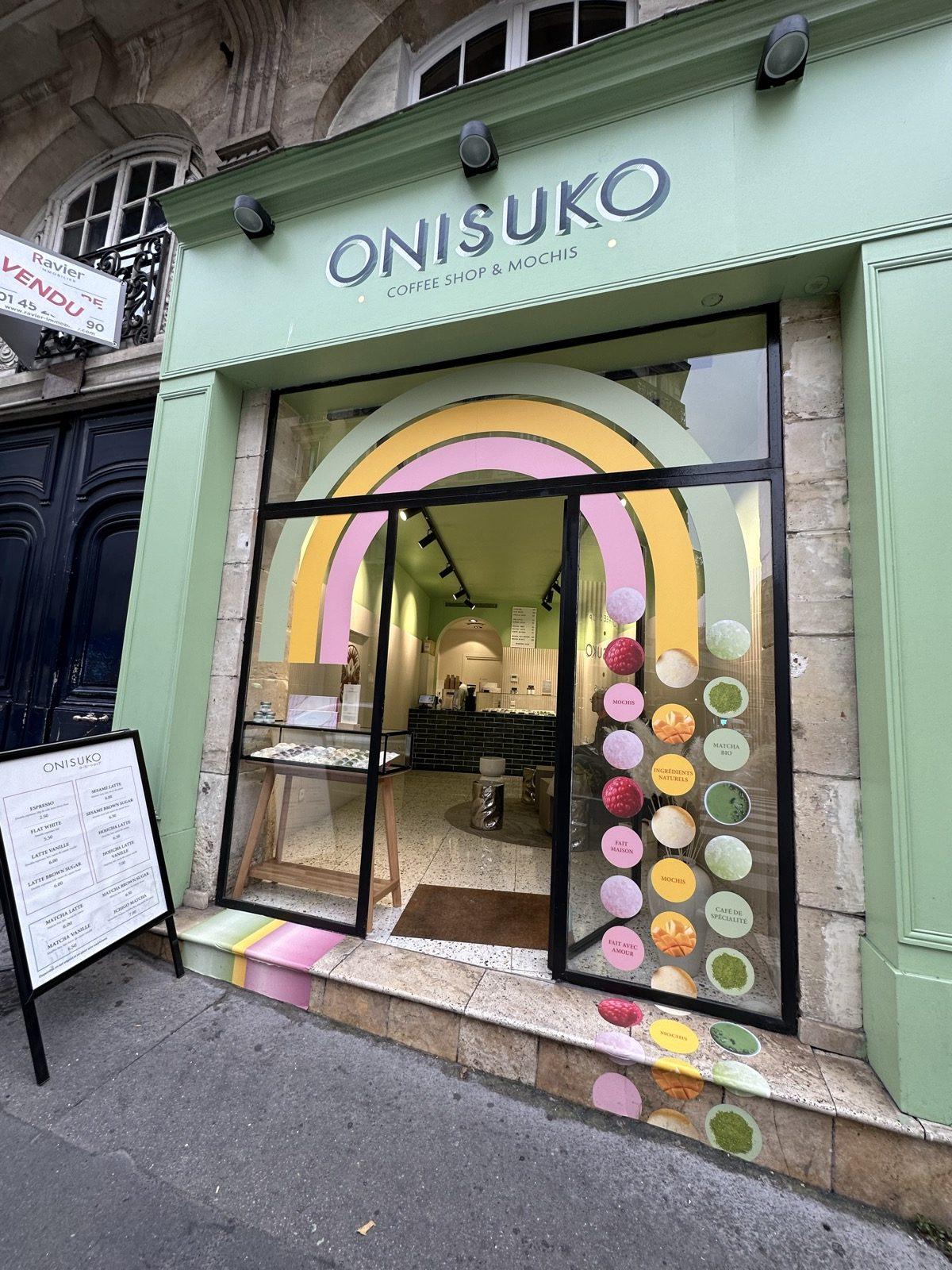
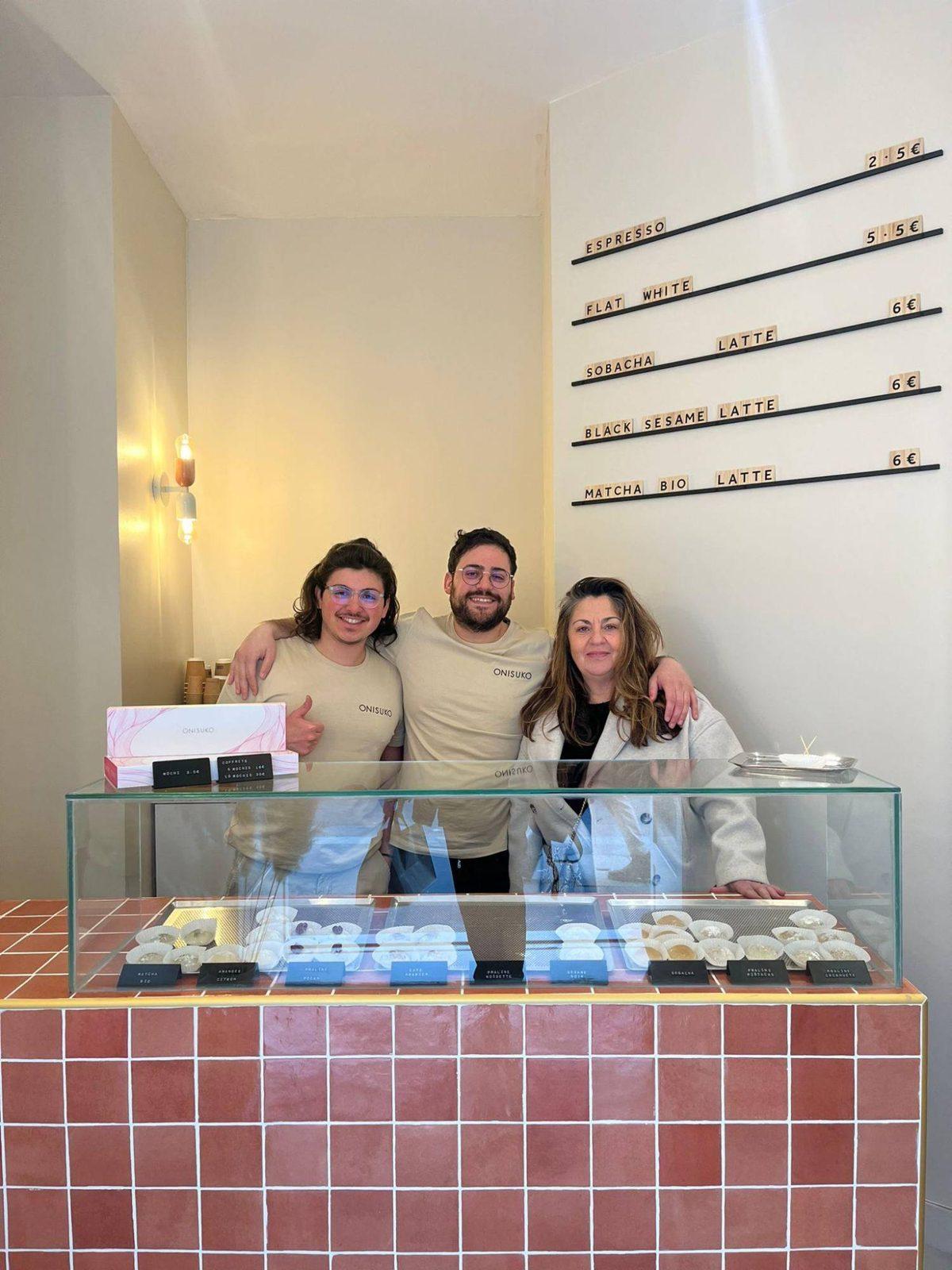
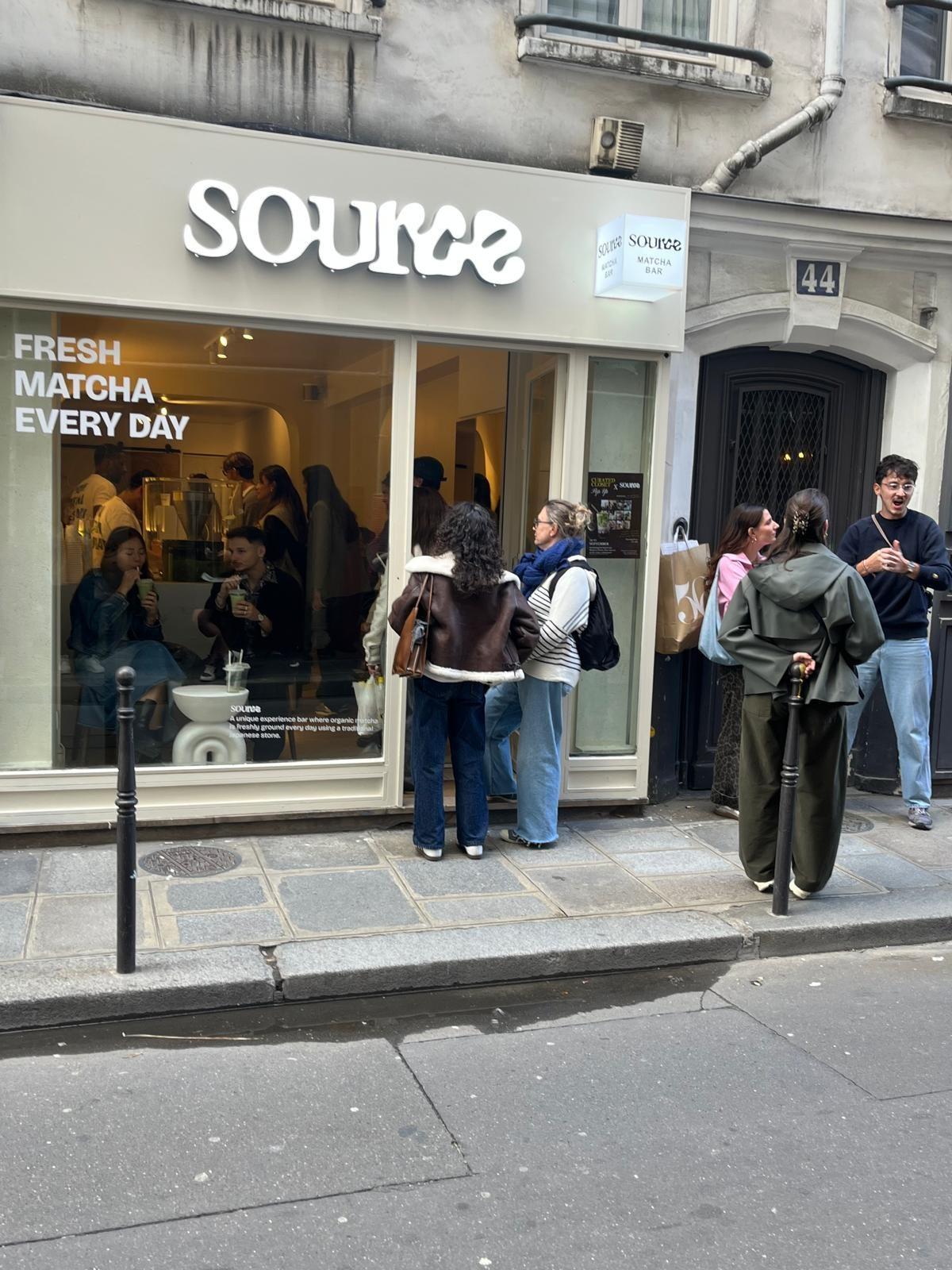
Before Monnie, there was Dim Sum Cantine, IndiaBox, then coffee shops like Onisuko and Source, a matcha bar. Openings, counters, lunch rushes.
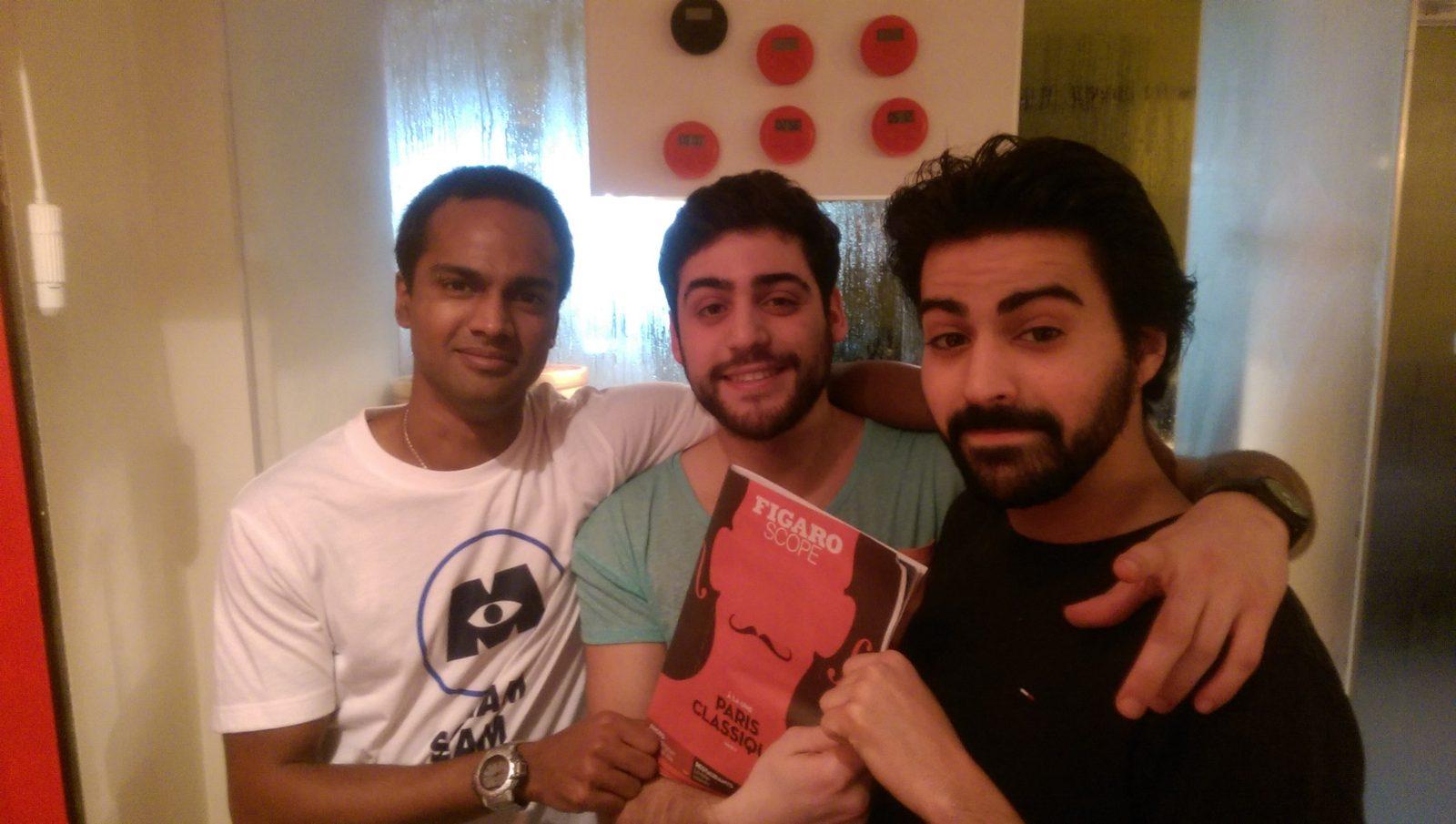
Dim Sum Cantine made it into the Fooding guide and Figaroscope. And yet, behind every one of those counters, the same question kept coming back.
Who are my customers?
Every day, customers came in, ordered and left. The regulars, I knew personally. But as soon as one of them stopped coming, I had no way to reach them again. Funny paradox: I knew my customers… as long as they kept coming.
I didn’t know where they came from either: an ad, an article, an influencer, a friend? A website knows all of that about its visitors. My shop knew nothing.
The rooms were full, and sometimes the line spilled onto the sidewalk. And of all those customers, I had almost no record.
Loyalty apps? Too much friction
I tried loyalty solutions. Every time, the same problem.
- For the customerDownload an app, create an account, give a phone number or an email. At the counter, coffee in hand, many give up.
- For the staffStamp a card, scan a QR code, type a number, at every visit, in the middle of the rush.
As a result, only a handful of customers signed up. The rest stayed invisible, and I still didn’t know where they came from.
CRMs? Built for websites, not for counters
I also looked at CRMs, the tools online stores use to know their customers. For a physical shop, nothing fits.
- The tillThe CRM doesn’t work with every till.
- The customerThey have to give their email or phone number at the till. Many say no, and the line waits in the meantime.
- Where they came fromNothing tells you which ad, link or influencer brought them in.
These tools are made for websites. At the counter, they don’t work. Ever.
So I made Monnie
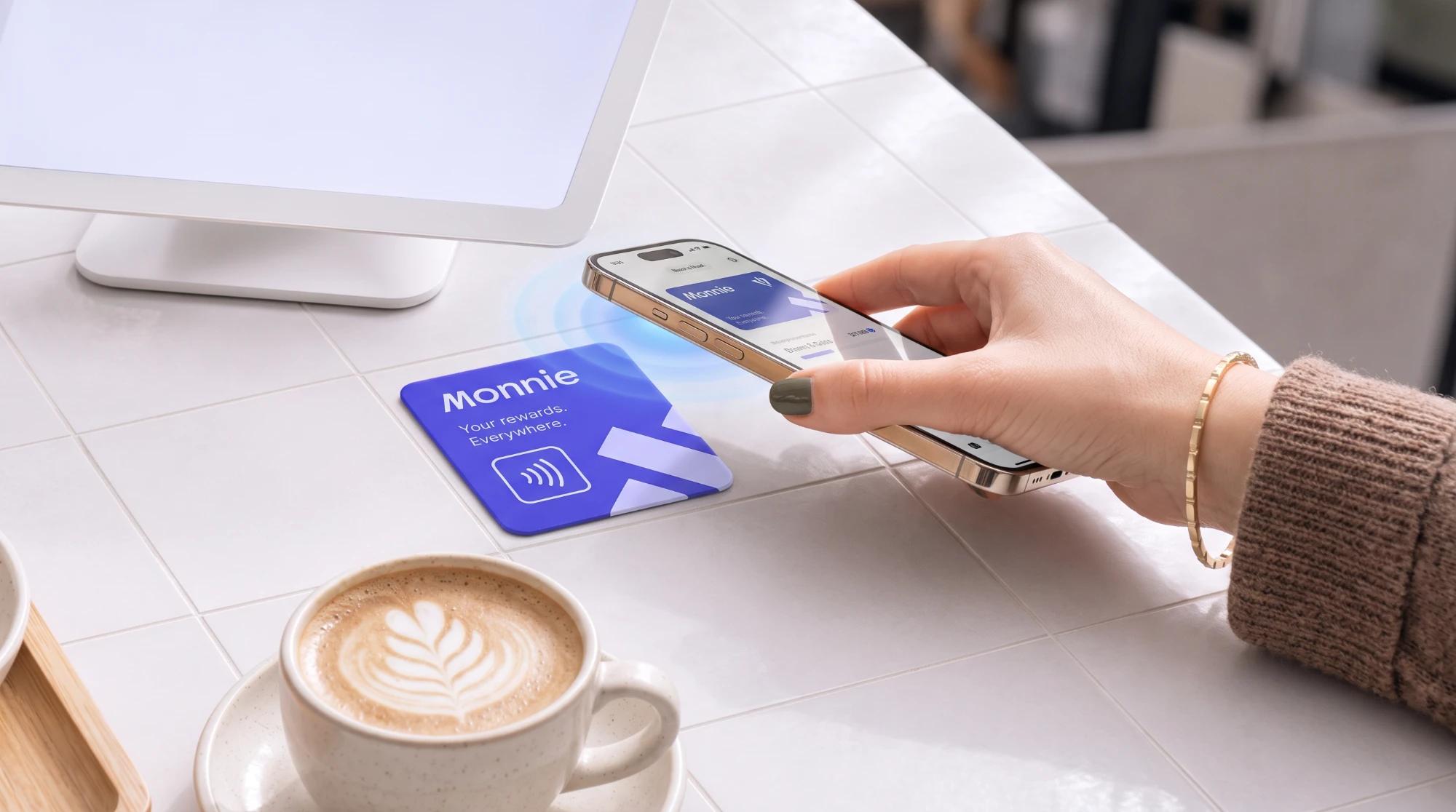
I wanted a gesture customers already make without thinking: holding up their phone. One tap on a plaque at the counter, and that’s it. No app, no account, nothing for the staff to do.
Behind that tap, the merchant finally sees what a website has always seen: who comes back, how often, and where each customer comes from.
Monnie is the tool I wish I’d had in every one of my businesses. I’m building it for merchants like me.
Arthur
Founder of Monnie